Advancing Fatigue Research Through Open Collaboration
Join COST Action CA23109 in Building a Comprehensive Metal Fatigue Benchmark Repository.
Driving Innovation Through Interdisciplinary Collaboration
We connect experts across Europe to tackle complex challenges and advance scientific research.
Foster Interdisciplinary Collaboration Across Europe
Connect researchers, engineers, and industry professionals to tackle challenges in fatigue life prediction and material testing.
Access Funding Opportunities for Research and Innovation
Leverage COST Action CA23109 resources to support your contributions to fatigue benchmark development and data sharing.
Participate in Knowledge Exchange and Network Events
Join workshops, conferences, and virtual networking sessions focused on advancing fatigue research methodologies.
Contribute to a Comprehensive Fatigue Benchmark Repository
Collaborate on building an open-access repository of experimental data, computational tools, and benchmark sets for fatigue life estimation.
Why FABER?
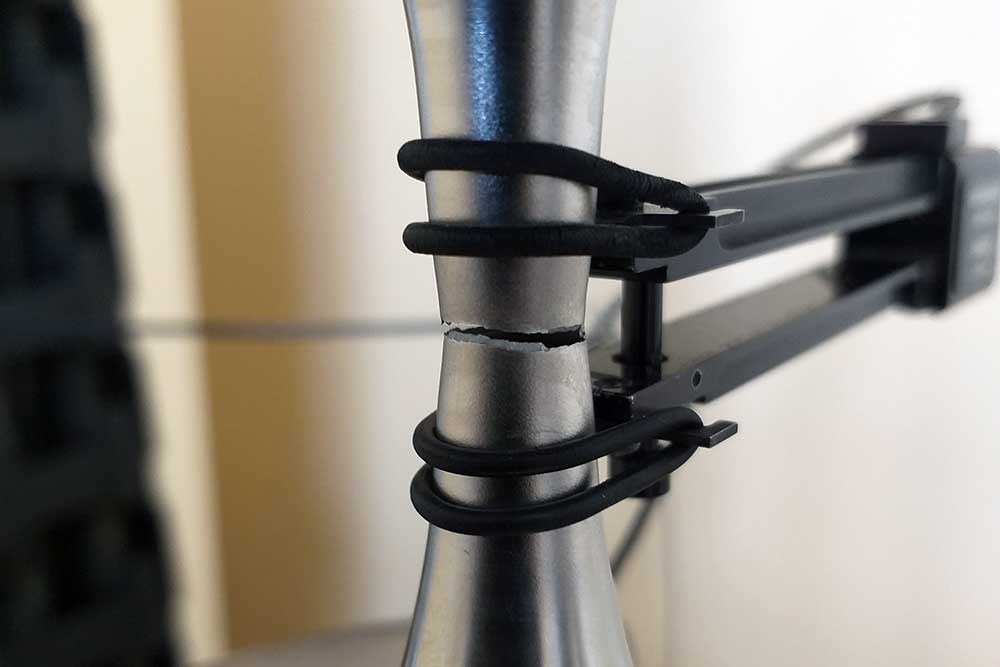
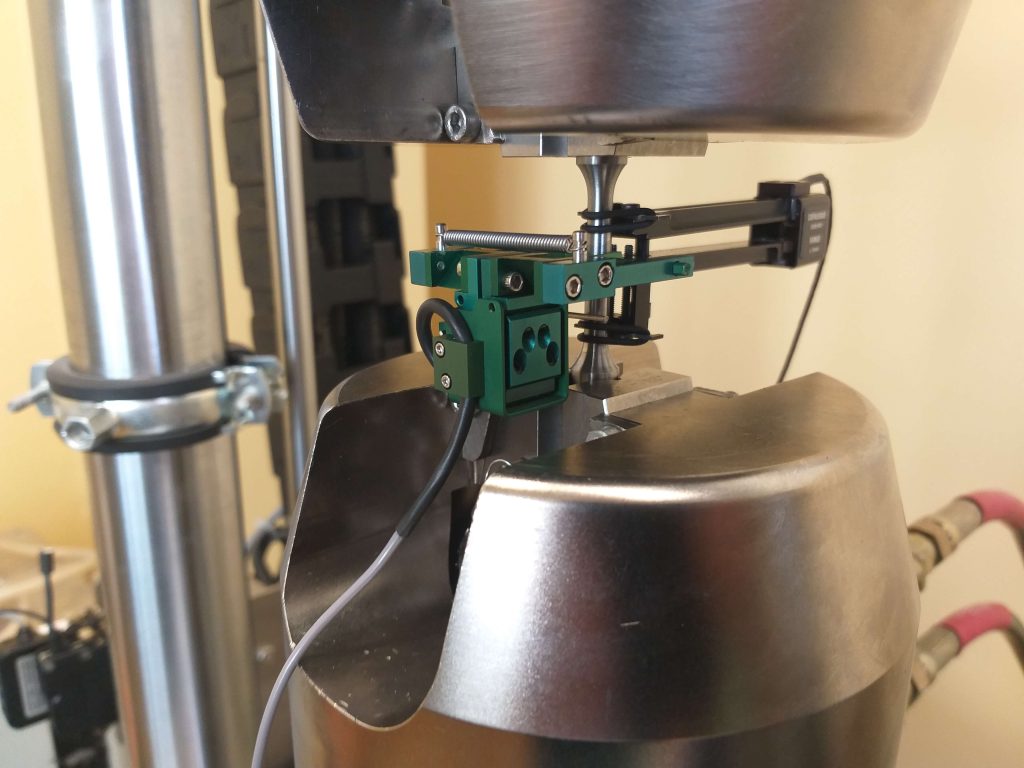
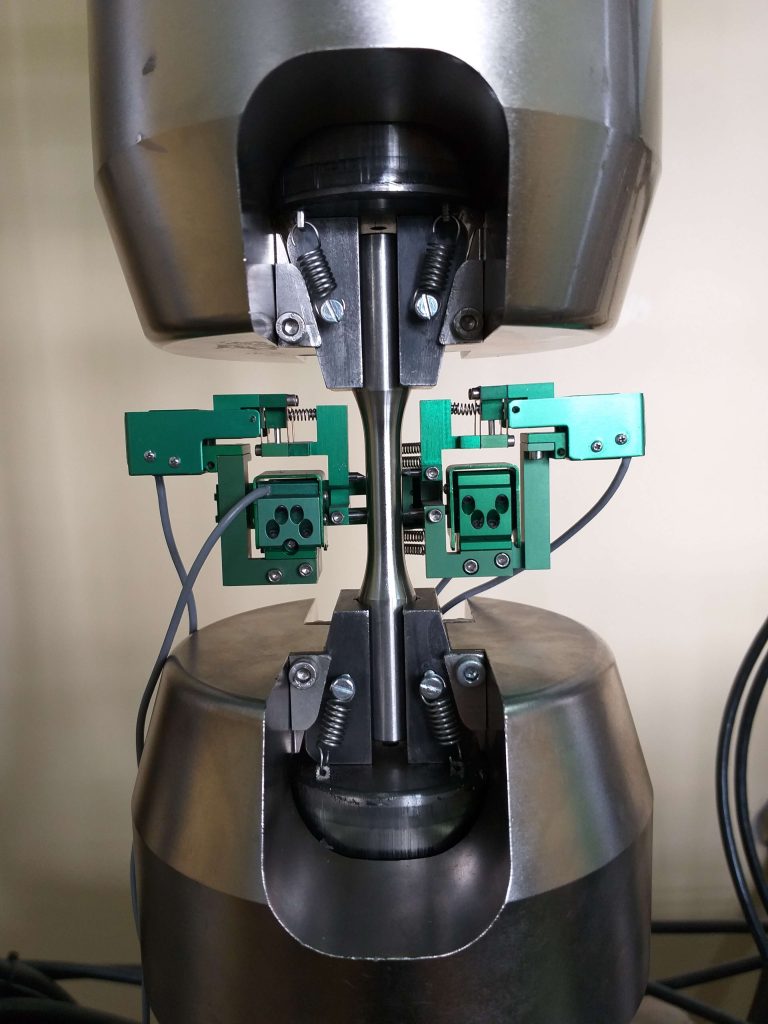
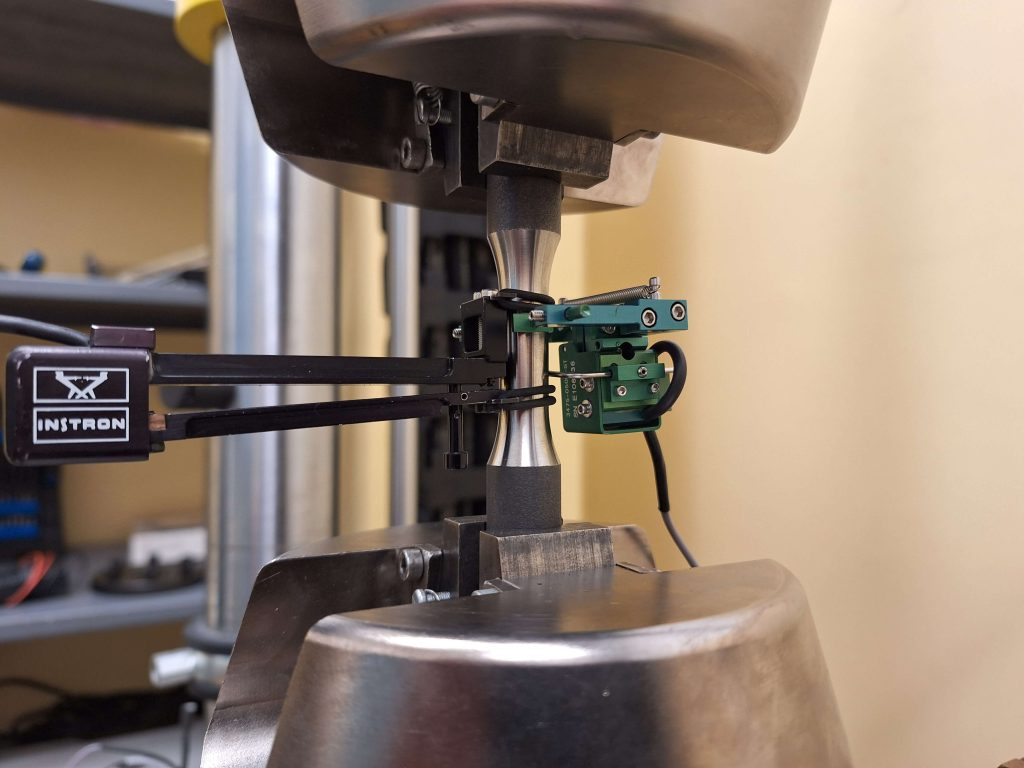
Fatigue damage accounts for 80-90% of structural failures, making precise fatigue life prediction essential. Commercial fatigue solvers assist users but often rely on outdated methods from mid-20th-century experiments, despite advancements in research.
This has led to issues such as academic disinterest, inadequate understanding by developers, and misapplication by inexperienced users, resulting in a lack of accountability.
Our project aims to create a comprehensive database of experimental fatigue data, accessible for benchmarking and testing predictive models. We also plan to develop open-source fatigue software to improve accuracy and foster responsible use. This joint effort seeks to modernize fatigue life prediction and ensure more reliable outcomes.
Discover how FABER is transforming metal fatigue life prediction through groundbreaking research and collaboration.
Scientific impact and breakthrough
The activities in the Action and its outcome will revive the interest in redefining and validating the key computation methods necessary for improving the status quo in the fatigue life estimation. It will help to understand the weak links in the whole computational process, on which the focus of cooperating researchers will be focused.
It is common today that the fatigue solvers are deemed to be suitable above all for comparing different design variants than to estimate the exact fatigue life. However, fatigue damaging is extremely complex problem with many degrees of freedom, which can modify the output fatigue life.
The initial analysis of the status quo showed that the way the fatigue analysis, in the domains of research and engineering applications, has arrived at a dead end. This COST Action can help to get to a round table all three stakeholder types (academia, industry, fatigue solver developers), and to facilitate finding a solution, which will redefine the mutual relations among them.